
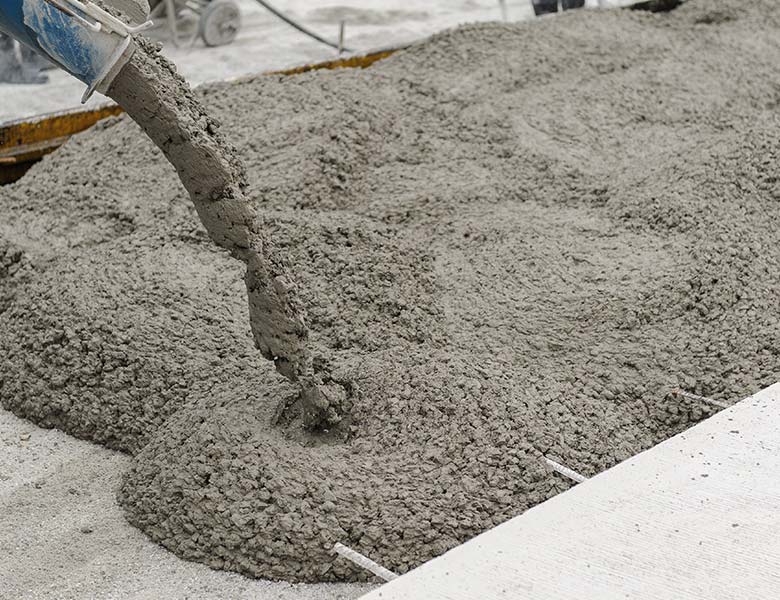
Manage slow setting concrete during winter with Concrete Shopper. Get practical tips on mixes, curing, and site prep for reliable Australian builds.
Winter conditions can significantly affect concrete performance, as temperatures below 10°C slow hydration, delay finishing, and often result in slow setting concrete that disrupts schedules and increases labour costs. Cold weather reduces the efficiency of the chemical reaction between cement and water, leading to longer setting times, extended bleeding, and a higher risk of surface defects if finishing is done too early. In Australian conditions, even mild winter temperatures can delay strength development and formwork removal, making proper planning essential to maintain quality and efficiency on site.
Choose the Right Mix to Avoid Delays
Selecting the right concrete mix is essential to prevent winter delays. Standard mixes often struggle in low temperatures, so it is better to choose options designed for colder conditions. High early-strength cement, added cement content, and non-chloride accelerators can help improve setting time.
Many Australian suppliers also offer specialised winter mixes to reduce slow setting concrete issues. Batching plants may use heated water to maintain the proper temperature at delivery. Planning the mix in advance helps minimise risks and keeps the project running smoothly.
On-Site Practices to Prevent Slow Setting Concrete
Proper on-site handling is essential for maintaining consistent setting times during winter. Delays in placement or poor coordination can cause temperature loss and slower performance, even with the right mix. Preparing everything in advance and maintaining good site discipline helps reduce the risk of slow setting concrete impacting project timelines.
Key practices to follow include:
- Place concrete promptly after delivery to minimise heat loss
- Avoid adding extra water on site, as it weakens the mix and slows setting
- Ensure the subgrade is firm, dry, and not excessively cold
- Coordinate labour and equipment to prevent delays during finishing
- Wait until the bleed water has evaporated before starting finishing work
Protect and Cure Concrete Properly in Winter
After placement, protecting concrete from cold conditions is essential to retain heat and support proper curing. Without adequate protection, heat loss can slow hydration and increase the risk of damage. Effective winter curing focuses on maintaining temperature and moisture to ensure steady strength gain.
Recommended protection and curing methods include:
- Use insulated blankets or covers to retain heat
- Install temporary enclosures or windbreaks for exposed areas
- Delay formwork removal to help preserve warmth
- Avoid sudden temperature changes that may cause thermal stress
- Use plastic sheeting or curing membranes to retain moisture
Build Better Results with Concrete Shopper
Managing slow setting concrete during winter requires proper planning, the right materials, and effective on-site practices. Choosing suitable mixes, maintaining efficient workflows, and protecting concrete after placement helps keep projects on track in colder conditions. At Concrete Shopper, we provide reliable concrete solutions and expert support to help you avoid delays all year round.
Contact us for expert advice on the right concrete mix and supply solution for your project, no matter the season.
Related Blog Articles:
Cold Weather Concrete Pours: How Additives Improve Set Time and Strength
The Concrete Mix No One Tells You to Use in Late Summer (But Should!)