
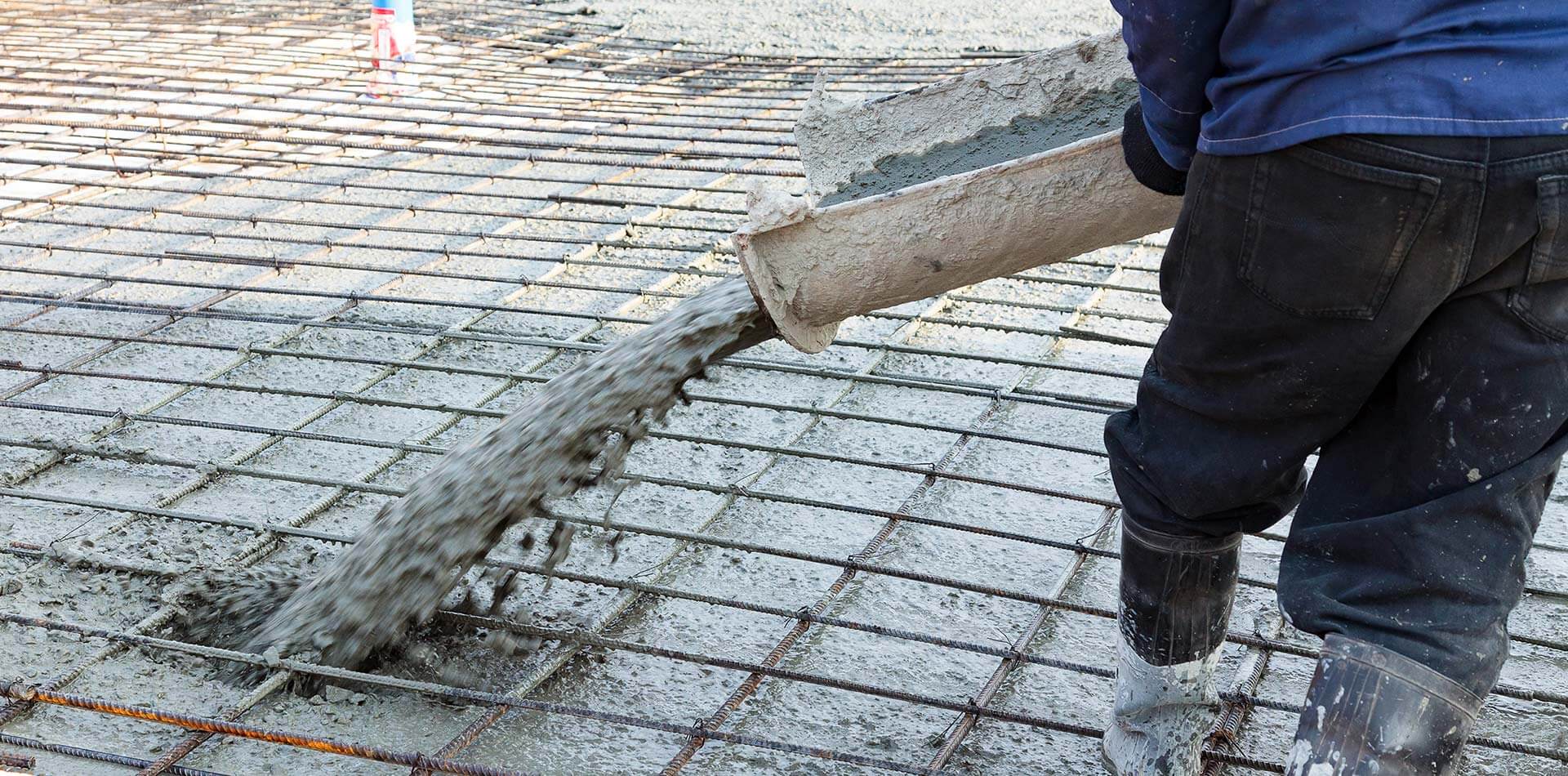
Autumn concrete guide by Concrete Shopper. Learn how to choose the right mix for cooler, wetter weather and ensure durable, compliant results.
Autumn in Australia brings cooler evenings, mild daytime temperatures, increased humidity and unpredictable rainfall. While these conditions may appear ideal for outdoor work, they can significantly influence how concrete sets, cures and develops strength. This Autumn concrete guide explains how seasonal weather affects your project and how to select the right mix to ensure long-term durability. Whether you are planning a driveway, slab or commercial pour, understanding autumn conditions helps you avoid preventable defects and costly delays.
How Autumn Weather Affects Concrete Performance in Australia
Concrete performance is highly sensitive to temperature and moisture. In autumn, these environmental factors require closer planning and proper mix selection.
- Slower Hydration and Strength Development – Concrete hardens through hydration, a chemical process that slows in cooler temperatures. These delays in setting and early strength gain often require longer curing times, especially when temperatures fall below 10°C.
- Delivery Temperature Requirements – Under Australian Standard AS 1379, concrete is typically required to be delivered between 5°C and 35°C. If the concrete temperature drops too low, hydration can slow significantly, affecting strength development. Monitoring ambient and concrete temperatures during autumn pours is therefore essential.
- Increased Moisture and Surface Disruption – Higher humidity and unexpected rainfall can interfere with finishing. Rain striking freshly placed concrete may dilute the surface layer, affecting the water–cement ratio and potentially weakening the top surface. If not managed correctly, this can result in scaling, dusting or reduced durability.
- Day-to-Night Temperature Fluctuations – Autumn conditions often involve warm afternoons followed by cool nights. These fluctuations can alter curing rates and create uneven strength development if freshly poured concrete is left unprotected overnight.
Autumn Concrete Guide: Choosing the Right Mix for Your Project
Choosing the right concrete mix is essential for managing autumn conditions and ensuring long-term durability. Strength grade, workability and compliance with Australian Standards all influence performance. For most footpaths and patios, 20–25 MPa is suitable, while driveways and structural work may require higher grades confirmed by your supplier or engineer.
Working with a reliable concrete supplier in Australia ensures your mix complies with AS 1379 and is suitable for your specific site conditions.
When planning your autumn pour, consider:
- Selecting the appropriate MPa strength for the application
- Using a controlled slump to avoid adding excess water on site
- Ensuring compliance with AS 1379 for supply and delivery
- Discussing suitable admixtures with the batching plant where early strength gain is required
When to Delay the Pour (And Why It Saves You Money)
In some cases, postponing a concrete pour is the most cost-effective choice. Heavy rain, waterlogged ground or sudden cold snaps can compromise quality and increase the risk of cracking or surface defects. Waiting 24 to 48 hours for better conditions helps ensure long-term durability and protects your investment.
If conditions are suitable and you are ready to proceed, you can conveniently order concrete here to secure a supply aligned with your project timeline.
Build with Confidence Using Concrete Shopper’s Autumn Concrete Guide
Following this Autumn concrete guide ensures your project remains compliant, durable and cost-effective despite seasonal challenges. At Concrete Shopper, we connect homeowners, builders and contractors with reputable Australian concrete suppliers who meet national standards and project specifications.
If you are planning an autumn concrete project, contact our team today for assistance in sourcing the right mix for your needs. We are ready to help you secure a reliable supply and competitive pricing.
Related Blog Articles:
Ready Mix Concrete Supplies: Why Smart Builders Are Upgrading Their Choices
Exposed Aggregate Concrete: Seeded vs Pre-Mixed for Driveways & Paths