
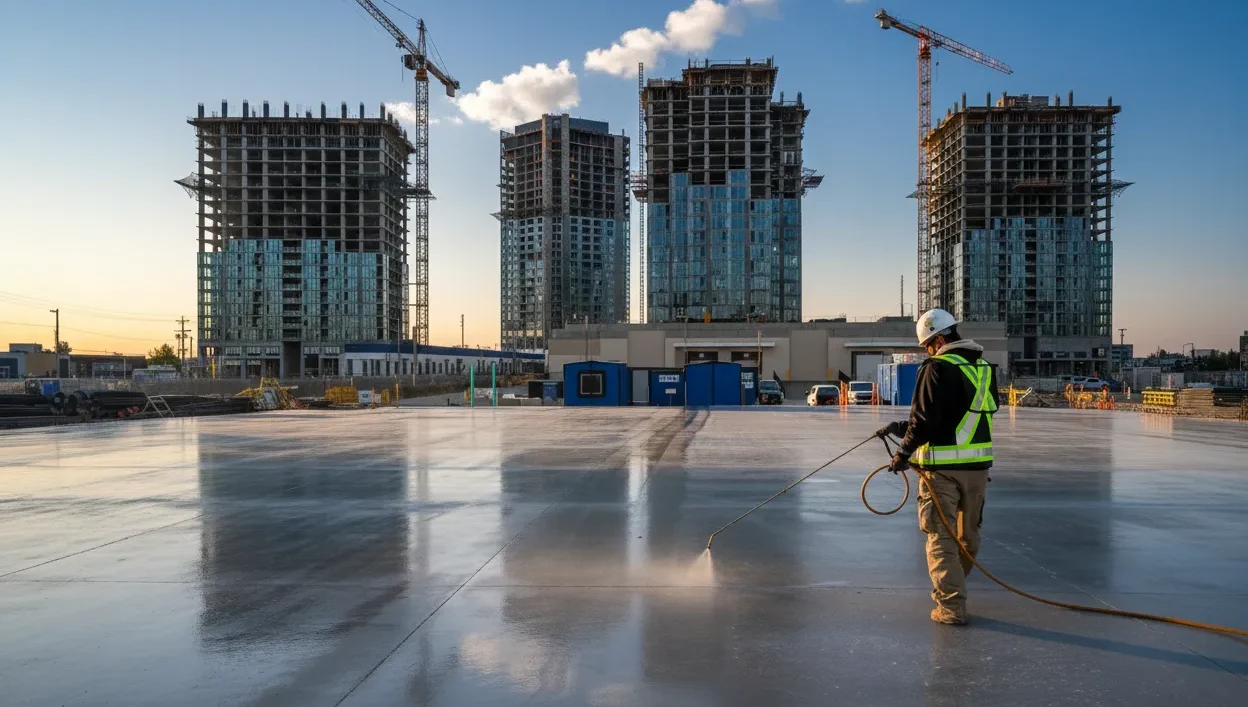
Learn how summer heat impacts concrete curing and get January construction tips from Concrete Shopper for stronger, long-lasting project results.
January marks the height of summer in Australia, making it one of the busiest periods for residential and commercial projects involving footings, slabs, and renovation work. While the dry weather and longer daylight hours offer ideal scheduling conditions, they also introduce several challenges, particularly in the critical process of concrete curing. Understanding how heat affects freshly placed concrete is essential for ensuring long-term strength, durability, and overall structural performance.
Why Proper Curing Depends on Temperature Conditions
Concrete curing is the controlled process of maintaining proper moisture and temperature to support cement hydration, which enables concrete to gain strength; however, summer conditions can accelerate evaporation and limit the moisture needed for this reaction. Without effective curing, concrete is more vulnerable to reduced strength, cracking, and long-term durability issues.
Key factors influencing temperature-sensitive curing include:
• Rate of moisture evaporation
• Ambient temperature and solar exposure
• Wind speed and surrounding humidity
• Temperature of the concrete mix at the time of placement
How Summer Heat Affects Concrete Curing in Australia
Before implementing any strategies, it is important to understand the specific ways in which Australian summer conditions can affect curing outcomes.
• Accelerated Moisture Loss – High temperatures, dry air, and light winds speed up moisture loss from the concrete surface. This rapid evaporation disrupts hydration and increases the risk of shrinkage cracking and weak surface layers.
• Faster Setting Times – In extreme heat, concrete sets much faster than expected, reducing the time available for proper placement and finishing. This often leads to surface defects and lower long-term durability.
• Increased Thermal Stress – Concrete produces heat during hydration, and when combined with high ambient temperatures or direct sunlight, temperature differences form between the surface and core. These variations can lead to thermal cracking, especially in large slabs or thick sections.
Concrete Curing in Hot Weather: Best Practices for Summer Conditions
Properly managing the curing process during the Australian summer is essential for achieving a strong and durable result. Construction teams should prepare in advance, monitor temperature conditions closely, and apply protective measures immediately after placement. Good planning can prevent defects and reduce long-term maintenance costs.
Below are essential best practices for hot-weather curing:
• Start curing as soon as practical after placing: the sooner moisture protection begins, the better.
• Maintain moisture & moderate temperature: use wet coverings (hessian/burlap), continuous fog sprays/misting, membrane-forming curing compounds.
• Use reflective/white pigmented curing compounds or covers to reduce solar loading.
• Extend curing duration if conditions are extreme: though in mild weather, maybe 7 days, in hot/windy conditions, longer may be needed.
• Material/mix adjustments: consider the use of retarders to slow set, water-reducing admixtures to maintain workability without excessive water, and control mix temperature.
Protect Your Project with Concrete Shopper
Summer conditions present unique challenges, but with the right approach to concrete curing, your January construction project can achieve optimal results. Protecting fresh concrete from heat, wind, and premature drying is essential for ensuring long-term durability and structural reliability.
For high-quality concrete solutions, expert guidance, and dependable supplier connections, Concrete Shopper is here to support your next project. Contact us today or order concrete online to ensure your construction work meets the highest standards from start to finish.
Related Blog Articles:
Concrete Supplier Australia-wide: Delivering Quality and Reliability to Every State
Trusted Concrete Supplier: High-Performance Ready-Mix for Durable Commercial Builds