
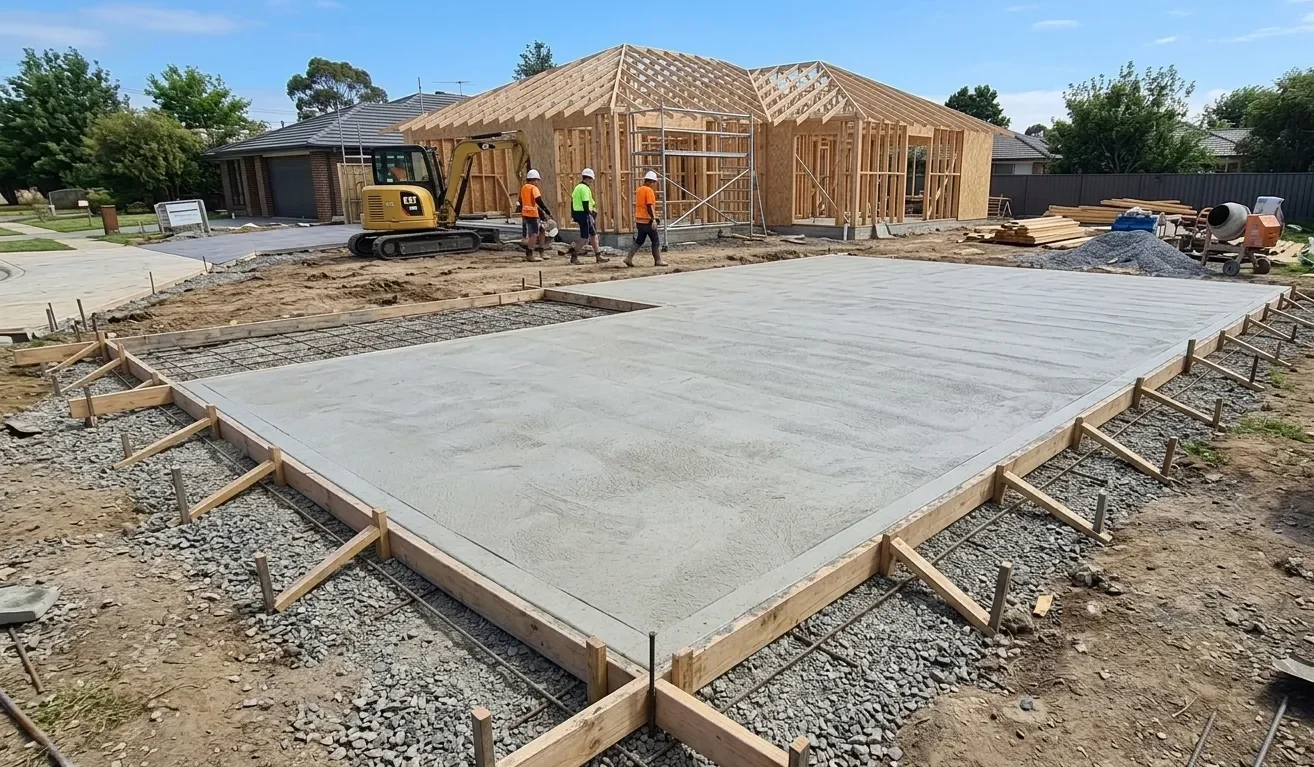
Plan concrete slabs with confidence. Learn how timing and seasonal conditions affect pours across Australia with expert insights from Concrete Shopper.
Timing is one of the most important and often underestimated factors in a successful concrete pour. In Australia, where weather conditions vary by region and season, understanding how timing and climate interact is essential for achieving strong, durable results. This article shares key industry insights to help you plan concrete slabs more effectively under Australian conditions.
Why Timing Is Critical for Concrete Slabs in Australia
Concrete gains strength through a chemical reaction called hydration, which is highly dependent on temperature and moisture. When concrete is poured at the wrong time or under unsuitable conditions, this process can be disrupted, leading to cracking, surface defects, or reduced long-term strength. In Australia, high temperatures, wind, and cooler weather extremes make timing critical, as poor conditions can cause rapid moisture loss, slow strength development, and uneven finishes.
Australian Standards, including AS 1379 (Specification and Supply of Concrete) and AS 3600 (Concrete Structures), set out requirements around temperature control, handling, and durability. Planning concrete slabs around suitable weather windows helps ensure compliance with these standards and supports better long-term performance.
Seasonal Weather Impacts on Concrete Slab Installation
Seasonal weather plays a major role in how concrete performs during and after installation. Understanding how different conditions affect setting, finishing, and curing helps reduce risks and improve the overall quality of concrete slabs across Australian projects.
- Hot Weather Conditions – Summer conditions across much of Australia can accelerate concrete setting times. Excessive heat and wind increase evaporation, making finishing more difficult and raising the risk of early cracking. Industry best practice often involves scheduling pours in the early morning and ensuring adequate curing measures are ready.
- Cold and Wet Conditions – In cooler months, particularly in southern regions, low temperatures can slow hydration and delay strength gain. Damp ground and rainfall may also affect surface quality if not managed properly. While concrete can still be poured in winter, additional planning is required to protect concrete slabs during the early curing phase.
- Rainfall Considerations – Rain during placement or shortly after pouring can weaken surface layers or cause finish defects. Monitoring forecasts and coordinating delivery times is critical when rain is expected.
Best Times of Year to Pour Concrete Slabs
Rather than a single “best” season, successful concrete pours rely on identifying stable weather periods. Spring and autumn often provide moderate temperatures and reduced weather extremes, making them popular choices for slab work.
During summer, early-day deliveries help avoid peak heat, while winter pours are often scheduled later in the morning once temperatures rise. Careful planning around local weather patterns, humidity, and wind conditions improves outcomes for concrete slabs and reduces the risk of delays or rework.
Plan Smarter with Concrete Shopper
Proper timing and seasonal awareness play a major role in the success of concrete slabs across Australia. By aligning pours with suitable weather conditions and understanding industry best practices, you can reduce risks and improve long-term results.
Concrete Shopper makes this process easier by connecting you with trusted concrete suppliers Australia-wide and helping you coordinate delivery times that suit your project schedule. Whether you’re organising a residential slab, comparing mix options, or planning your next pour, you can rely on our network and resources to order concrete with confidence and efficiency. Ready to get started? Contact us to organise your concrete delivery today.
Related Blog Articles:
How to Plan Concrete Delivery Timing for Multi‑Truck Large‑Scale Job Sites
Quality Concrete Mixes: How Proper Formulation Enhances Structural Integrity